
Media
Your go-to source for insights, updates, and conversations that help you grow personally and professionally.
Explore More My Biz Coaches Content
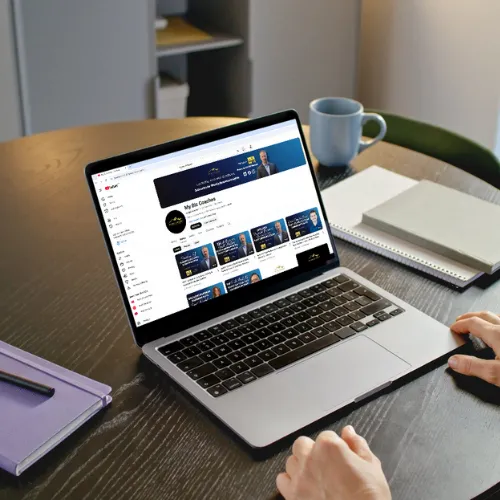
The Biz Coach Show
The Podcast of My Biz Coaches
Get weekly educational videos to help you learn how to scale your business, achieve your goals and experience success in all aspects of your life. Stream it on YouTube, Spotify and Apple Podcasts.
Biz Coach Insider
A Weekly Newsletter by Eric of My Biz Coaches
Weekly dedicated insights for entrepreneurs and business leaders committed to growth, strategy, and mastery.

Blogs

Your Prices Are a Leadership Statement
75% of small business owners say rising costs hit them hard in 2025.
Most didn't raise prices to match. They ate the margin instead.
I want you to sit with that for a second. Not because it's bad math. Because it's bad leadership.
Raising prices isn't a math problem. It's a confidence problem wearing a spreadsheet as a disguise.
Where This Shows Up
I see it constantly in the Hustler phase ($100K–$250K). Owners are still doing the work themselves. Every price increase feels personal, like you're asking a friend to pay more for the same handshake.
I see it worse in the Operator and Leader phases ($250K–$1M). You've hired people now. You've got systems that cost money to run. But you're still pricing like it's just you and a truck.
By the time you hit Architect ($1M–$3M), the gap between what you charge and what you're worth is no longer a rounding error. It's a leadership crisis hiding in your P&L.
I lived this in the trucking business. We scaled to $6M with 27 trucks in less than a year. Fuel costs moved fast. Insurance moved faster. If I had priced hauls based on what felt comfortable instead of what the math demanded, I would have grown myself broke. Growth without pricing discipline is just faster bleeding.
The Insight
Here's what nobody tells you about pricing conversations. Your team is watching how you handle them just as closely as your customers are.
When you hold the line on price, you're telling your people: We don't apologize for the value we deliver. When you cave, you're telling them the opposite, whether you mean to or not. And they will price their own worth the same way you price the company's. Underpaid, underconfident, over-apologetic.
Customers read it too. A confident price signals a confident operator. A nervous discount signals a business that isn't sure it deserves to survive.
I trained champions in my martial arts gym for years. The fighters who won weren't always the most talented in the room. They were definitely the ones who stopped flinching. Pricing is the same fight. The business that flinches first loses the room.
Practical Guidance
✅ To Do:
1️⃣ Calculate your true fully-loaded cost per unit or per hour, including labor, overhead, and owner time. Most owners have never done this math honestly.
2️⃣ Set a price increase date on the calendar, not a "someday." Pick a number. Pick a day.
3️⃣ Tell your team before you tell your customers. They need to hear the why from you, not read it in a price sheet.
4️⃣ Give existing customers a short, direct notice. No apology. No essay. State the change and the effective date.
5️⃣ Track margin weekly for 90 days after the increase. Confidence needs data behind it, not just nerve.
❌ Don't Do:
1️⃣ Don't bury the increase in fine print or hope nobody notices.
2️⃣ Don't discount out of guilt the moment a customer pushes back.
3️⃣ Don't raise prices without giving your team the language to explain the value behind it.
4️⃣ Don't wait for costs to force your hand. Reactive pricing always lags the damage.
✳️ The coaches I work with go through this exact resistance. Coaches who undercharge don't stay in business long enough to help anyone. If you're a Coach Partner building your own practice, this lesson applies to you first, before you ever teach it to a client. Admittedly, I struggled with this during my first 2 years, while I built my client base.
➡️ A 2008-style cost shock or a COVID-level disruption doesn't ask your permission to raise your expenses. Your pricing strategy shouldn't wait for permission either.
Reflection Question
When was the last time you raised your prices because the math demanded it, not because a customer forced it?
If you can't remember, that's your answer.
To Your Success,
Eric T. Whitmoyer, Business Growth Strategist
Founder & CEO at MyBizCoaches.com
Host of The Biz Coach Show
From Startup to Exit, We're There for Your Biggest Decisions
P.S. If you're serious about taking your business to the next level, then you may find value in getting a copy of our 2026 Business Survival Guide — full of strategies, tactics, and solutions to help move your business forward faster this year.
Because the difference between ordinary and extraordinary isn't luck; it's the information you act on.
Consider becoming a Certified My Biz Coach – Learn More HERE.

Get In Touch
Email: [email protected]
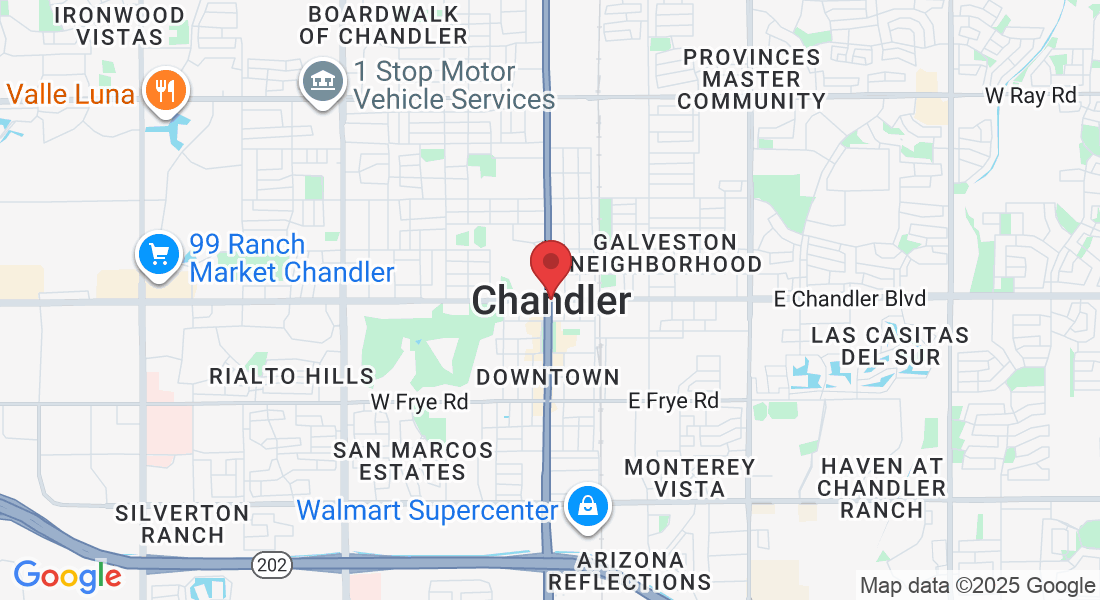
Address
Office: 2622 E. Palm Beach Rd.
Assistance Hours
Monday to Saturday - 9:00am to 8:00pm
Sunday - CLOSED
Phone Number:
(623) 294-3795
Empowered Growth With Coaching
Trusted by owners who scaled past $10M and beyond.
© 2026 - All Rights Reserved